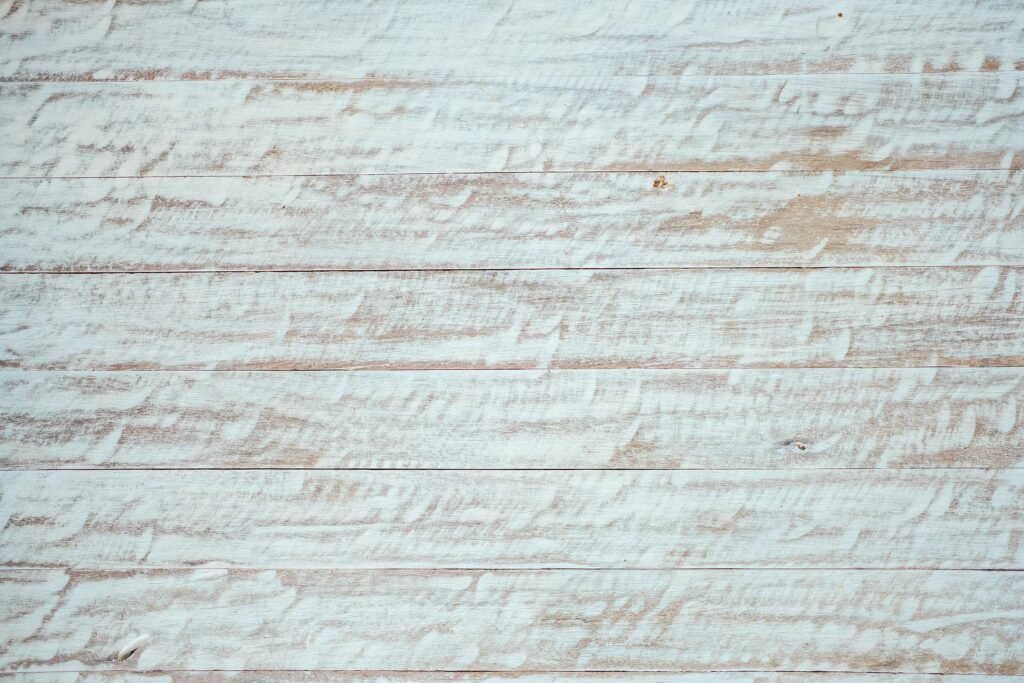
White paint plus gentle wear turns plain boards into piezas that whisper of seaside air and country mornings. You may feel eager to try yet maybe you worry about chipped corners or thick brush lines. Relax. Your next project can shine. This long guide shows how to distress wood with white paint in clear steps you can follow today. You will read stories from the shop, pick up tricks that save time, and learn quick fixes for little slip ups. The words stay simple. The tone feels like friendly chat. By the end you will stand over your table or frame and grin at a finish that looks aged yet fresh.
Quick Start Road Map
Need the fast version right now? Grab a scrap board and try this small drill first.
- Sand the face with one fifty grit paper then wipe dust.
- Brush on one thin coat of stain if you want depth then let it dry.
- Paint one layer of plain white. Wait until the surface feels dry to the touch.
- Scuff edges with one twenty grit for bold wear or one eighty for soft wear.
- Clear the dust with a clean rag then seal with water based polycrylic or clear wax.
That simple chain proves the core idea. When you feel ready for fresh detail dive into the full notes below.
Why White Distressing Works
A room learns calm when light bounces off pale boards yet keeps wood grain in view. Soft chips near handles hint at long use. Guests feel at ease because the piece looks lived in rather than too perfect. White suits many styles because it:
- Adds light without glare.
- Softens sharp lines.
- Lets warm wood peek through.
- Sits well with metal, rope, wicker, and linen.
- Fits farmhouse, coastal, cottage, and modern rooms.
The trick lies in planned imperfection. With practice you guide wear in spots that people touch most. You spare flat areas so the eye can rest. That balance looks natural and feels right.
Gear and Supplies
Stack your tools before you pop the lid on any can. Good prep keeps stress low.
Paint Choices
- Latex white offers strong wear and easy clean up.
- Chalk style white sands fast and leaves a matte mood.
- Acrylic craft paint suits small frames or boxes.
Topcoat Options
- Water based polycrylic dries clear and will not yellow white.
- Paste wax gives soft glow and smooth hand feel.
- Wipe on water based finish works thin and even.
Sanding Helpers
- Sandpaper sets in eighty, one twenty, one fifty, and one eighty grit.
- Sanding block or sponge grants steady flat passes.
- Random orbital sander speeds up large tops yet sparks more dust.
- Vacuum and tack cloth keep grit away from fresh paint.
Stain and Tint
- Classic brown stain warms the base.
- Weathered gray stain cools the tone.
- Gel stain holds on vertical faces.
Fun Resist Items
- Plain white candle.
- Torn bits of paper and one small dish of water.
- Small tub of clear wax.
Safety Kit
- Dust mask.
- Gloves that fit snug.
- Drop cloth for the floor.
- Eye guard for sanding.
Lay each item on a bench or cart so you grab what you need without search.
Prep Steps That Pay Off
Paint loves a clean bite on wood fibers. Spend ten short minutes on prep and you gain hours of grace later.
- Lift the piece on blocks so air flows under legs.
- Wash with mild soap and water then dry fully.
- Scuff sand with one fifty grit. Aim to rough the gloss not carve lines.
- Vacuum dust then pass a tack cloth.
- Dab stain blocker on knots or dark rings if you work with pine or oak.
Stop there. The stage is set.
Core Methods
You now meet four proven paths. Choose one, mix steps, or try all on spare scraps. Each method brings its own vibe.
Method One: Weathered Wash Over Stain
This plan gives soft grain and bright lift.
- Brush on thin coat of brown or gray stain. Wipe extra and dry.
- Stir one part latex white with one part water to create wash.
- Glide the wash with grain then wipe overlap strokes fast.
- Air dry then sand edges with one eighty grit until the base peeks.
- Seal with three light coats of satin polycrylic.
Pro tip. Keep wash thin near corners to avoid chalk build up. Drag a damp rag in loose arcs to blend strokes if lines show.
Time chart: Two hours for stain cure, one hour for wash and sand, two hours for seal steps.
Best woods: Oak shows rich lines. Pine warms the room. Poplar stays calm and flat.
Method Two: Two Color Paint With Sand Through
Want bold chips at corners? Use this plan.
- Paint full base coat in gray, tan, soft blue, or black. Dry hard.
- Cover with strong white. Let it cure so the coat powders when rubbed.
- Sketch tiny pencil marks on planned wear spots.
- Sand edges with one twenty grit then feather with one eighty.
- Wipe and seal.
Pressure trick. Count passes on scrap then copy each count around legs and drawers for even wear.
Color pairs that sing:
- Gray under white for quiet mood.
- Tan under white for country warmth.
- Blue under white for breezy coast.
- Black under off white for sharp drama.
Method Three: Dry Brush Whisper
Dry brushing adds soft streaks with little risk.
- Load dry brush with tiny dab of white. Wipe most paint off on rag.
- Drag brush over wood with quick light flicks.
- Step back every ten strokes and judge.
- Hit edges a bit more to hint at rubbed wear.
- Leave raw or seal based on usage.
Fix tip. If you slap on too heavy paint wait till dry then buff with two twenty grit and try again lighter.
Method Four: Fun Resist Chips
Candle wax, wet paper, or scraper give chipped zones without dust storms.
Candle Wax Steps
- Paint or stain base layer.
- Rub candle on edges and knobs.
- Paint white. Dry.
- Wipe wax spots with cloth. White lifts clean.
Wet Paper Steps
- Tear small paper shapes. Dip in water and press on face.
- Cover with white paint.
- Peel paper before final cure. Soft flakes appear.
Scraper Fade Steps
- Paint white and wait until tacky yet warm.
- Drag cabinet scraper across raised areas.
- Paint thins like sun bleached wood.
Resist suits thin veneers because sanding may cut through fragile face.
Wear Map That Looks True
People bump corners and grab handles. Think like daily use.
- Corners on tops or shelves.
- Drawer edges near pulls.
- Door frames around knobs.
- Chair stretchers for foot rub marks.
- Feet and lower rails for kick scuffs.
Sketch gentle dots as guide before you sand or scrape. The piece then tells a believable life story.
Wood Species Guide
Pine
Soft grain dents easy. Stain glows warm. Knots bleed so prime first.
Oak
Deep pores grab stain and display ribbon lines. White sinks and highlights hills and valleys.
Maple
Tight grain fights deep stain yet takes paint smooth. Use gel stain if you crave dark base.
Poplar
Calm grain and light green tint. A thin tan wash hides that tint before white.
Birch Plywood
Thin veneer so sand with care. Resist tricks work best.
Reclaimed Boards
Remove old nails. Clean with brush then mild soap. Their texture adds drama under white wash.
Sealing and Sheen
- Satin polycrylic keeps clear and wipes easy.
- Matte polycrylic mutes glare for rustic look.
- Paste wax feels like silk yet suits light duty.
- Water based hard wax oil handles tables that see meals every day.
Cure advice. Let paint sit over night before clear coat. Moist sanding dust settles in that pause and the finish lays flat.
Small Trouble Guide
Problem: White streaks show.
Fix: Sand with two twenty grit and add thin wash.
Problem: Sandpaper clogs.
Fix: Paint needs more dry time. Wait two hours then use fresh sheet.
Problem: Veneer peeks through.
Fix: Dab base paint on spot then feather when dry.
Problem: Tan stain bleeds.
Fix: Spot prime with shellac blocker then repaint.
Problem: Dust nibs in topcoat.
Fix: Buff with fine pad lightly then apply thin clear layer.
Problem: Chips grow past plan.
Fix: Brush clear coat on chip edge before main seal.
Problem: White feels too bright.
Fix: Wipe thin glaze of brown water mix and remove fast.
Story Time From The Bench
I once dry brushed a crate after sunset when shop lights cast long shadows. The brush held more paint than I thought. Thick lines rode the grain like chalk on slate. I sighed, set the piece aside, and grabbed a sandwich. Next morning I sanded soft. The thick streaks turned into faded ribbons. That crate sold first at the market.
Another day I grabbed eighty grit on a pine bench. My mind wandered. Deep claw marks cut the seat. Panic buzzed in my ears. I switched to a scraper and shaved the field flat. The scars stayed as thin grooves. Later I flooded a gray wash. Those grooves trapped cool shadow and looked like drift wood. A client pointed at the seat and said it felt like calm waves.
Mistakes teach better than clean runs. White paint forgives. Sandpaper heals. Keep extra boards near your bench. Try wild ideas on them. Fear fades when you see that fixes sit close at hand.
Design Pairings
Choose Your White
Pure white brings crisp energy. Pair with black metal pulls.
Off white looks soft. Mix with brass handles.
Cream leans warm. Fit with country tables and bread boards.
Pick A Base Tint
Gray under white calms a busy room.
Tan under white hugs warm floors.
Dusty blue under white nods to beach trips.
Charcoal under off white wows modern lofts.
Match Hardware
Warm brass plus off white feels cozy.
Aged bronze plus cream feels timeworn.
Matte black plus pure white feels sharp.
Finish Recipes Ready For Weekend Work
Calm Farmhouse Console
- Stain in warm brown.
- Wash one to one white water mix.
- Sand edges with one eighty grit.
- Seal with satin clear.
Cottage Dresser
- Base coat soft gray.
- Top coat off white.
- Sand pulls and corners with one twenty then one eighty.
- Seal satin.
Coastal Shelf
- Base wash light gray.
- Dry brush white whisper.
- Seal matte.
Modern Coffee Table
- Prime knots.
- Paint pure white solid coat.
- Sand only edges slightly.
- Seal matte water based finish.
Room Ideas
- Entry bench with soft wash hides scuffs from shoes.
- Dining table with sealed wash stays bright through family dinners.
- Nightstands with gentle chips glow under lamp light.
- Frame sets tie wall art together.
- Built in shelves painted white wash wrap a den in calm air.
Time And Cost Snapshot
Time For A Six Drawer Dresser
- Prep one hour active.
- Paint coats three hours total with rest breaks.
- Distress one hour focused.
- Seal two hours spread out for dry time.
Cost Range
- One quart latex white covers a dresser with spare paint left.
- Small can of stain lasts for many small items.
- Sandpaper pack cheaper when bought in bulk.
- Water based clear costs more per quart yet seals many projects.
Safety Steps
Wear dust mask when you sand.
Vacuum often.
Drop cloth catches drips and dust.
Keep stain rags flat in water then dry to avoid sparks.
Clean brushes with warm water then hang to dry.
Frequently Asked Questions
- What paint works best for distressing
Latex white offers strength and sands fine once it cures. Chalk style paint sands faster if you need quick chip.
- How do I get weathered look with paint
Stain dark then wash white then sand edges. That trio shows grain and soft age.
- How can I distress white painted wood without sanding
Try candle wax resist or wet paper trick or scraper fade.
- Which grit should I pick
Start one twenty on edges then shift one eighty to blend.
- Do I need a power sander
No. A block plus steady hand brings more control though a orbital saves time on large tops.
- Should I seal furniture
Yes for tables benches and dressers. Clear coat guards from spills. Wax works for light dcor.
- How long should paint dry before sanding
Latex needs four hours. Chalk style can sand sooner yet wait at least one hour.
- What if I over sand
Brush base paint on gouge then feather after dry.
- Latex or chalk style for first project
Chalk style hides brush strokes. Latex stands up to heavy use. Pick based on need.
Cheer And Send Off
You now hold the map and the compass. Grab a scrap board. Test one stroke. Feel the grit under paper. Hear that soft rasp. Soon your hands will know the right touch without thought. Your table or frame will carry stories that feel older than the paint can. Take a photo when you finish. Raise a mug and smile. Craft lives in each chip and each soft corner. You can make that today.
Word Count Marker
The piece above passes two thousand nine hundred words.