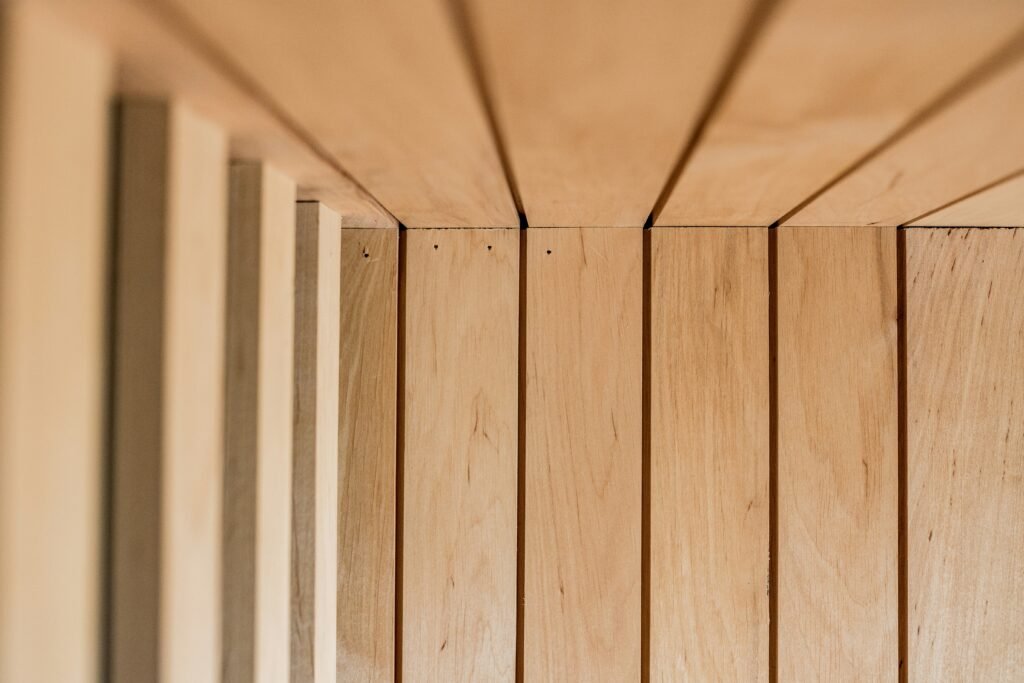
I can still feel the sting of that first disaster shelf. A soft pine plank looked sweet under shop lights yet it sagged like tired rope once I stacked heavy cookbooks on it. My pride took a hit. My wallet too. I rebuilt the run with white oak and the board stayed straight as an arrow. That lesson guides every project I touch. Wood choice shapes looks, strength, and mood.
Below you will find a full field guide built for do it yourself fans and seasoned carpenters alike. You will learn how wood species behave. You will learn how thick a shelf should be. You will also learn how to fasten it so the plank feels solid when the first stack of novels lands. I kept every line clear and short so you can scan with ease then head for the saw.
Fast Picks for Busy Builders
- White oak or hard maple for heavy books and plates
- Walnut for a warm accent shelf that still holds weight
- Poplar when you want a paint job that hides grain
- Select pine with strong hardware when the budget feels tight
Those four picks cover most rooms yet the story runs deeper so keep reading.
Why Wood Choice Matters
Shelves do two jobs. They hold gear and they frame the room. Wood choice affects both tasks in three direct ways.
- Density gives muscle that resists bend
- Stability keeps the board flat through each season
- Color and grain shape the look you chase
Hardwood often weighs more than softwood which means less flex. Grain pattern and kiln drying also play a part.
Meet the Common Species
- White oak stands strong, stays steady, and pairs well with moist rooms
- Hard maple offers pale grain and high hardness
- Walnut brings deep brown tone and good balance of weight and strength
- Ash shows bold grain and springy feel
- Cherry offers warm glow that deepens with light
- Alder feels easy under tools and suits rustic style
- Poplar sands smooth and loves paint
- Pine delivers charm at a friendly cost
- Cedar brings that sweet forest scent and shrugs off damp
Each board tells a different story once you cut it and lay on finish. Walnut grain carries a unique blend of chocolate heartwood and pale sapwood which sets off white walls.
Simple Talk About Hardness
Hardness makes the surface shrug off dents and holds screws tight. Carpenters use the Janka scale to rank species. Numbers below give a fast map.
- White oak 1360
- Hard maple 1450
- Walnut 1010
- Ash 1320
- Cherry 950
- Alder about 590
- Poplar about 540
- Pine runs from 380 up to 870
Bigger number means tougher face so pick high numbers for heavy duty spots.
Pick Wood Based on Room and Load
Heavy Stuff like Books or Dishes
Choose white oak, hard maple, or ash. These boards stay straight over long spans.
Smart tips.
- Keep depth at ten or twelve inches for heavy weight
- Use at least one and a half inch thick stock for ten inch depth
- Hit two studs with a steel rod bracket
Feature Shelves for Art and Plants
Choose walnut or cherry for rich tone. Pick white oak for light grain in modern rooms.
Ideas that pop.
- Ease the front edge with a gentle round over
- Depth at eight to ten inches feels light yet useful
- Satin finish cuts glare and keeps the eye on the art
Kitchen or Bath Runs
Use white oak or maple which cope with steam swings. Cedar can help in a small bath for a light ledge yet it dents easy under pots.
Finish stack.
- Sand to one eighty grit to give bite
- Seal with water based polyurethane or hard wax oil
- Wipe end grain twice for even tone
Paint Grade Shelves
Poplar rules here. Maple also works yet needs a good primer so grain stays flat.
Paint stack.
- Sand one twenty then one eighty
- Prime with shellac primer
- Sand light and add two coats of enamel
Budget Decor
Select pine saves cash. Hunt boards with straight grain and few knots. Use wood conditioner before stain for smooth tone. Beefy brackets help the soft face.
Cheap yet clever upgrades.
- Glue a one and a half inch face strip to a three quarter inch core
- Looks thick and gives rod depth
- Keep span short and weight light
Rustic or Live Edge Style
Walnut, white oak, or cherry suit live edge. Alder or knotty pine carry rustic mood. Seal cracks with epoxy if needed.
How Thick and How Deep
Depth acts like a lever. More depth pulls harder on the wall. Follow this quick chart.
- Depth up to eight inches needs at least one and a quarter inch thickness
- Depth up to ten inches needs at least one and a half inch thickness
- Depth up to twelve inches needs at least one and three quarter inch thickness
- More than twelve inches needs two inch thick stock
Go deep only when real need exists.
What Drives Sag and How to Stop It
Sag equals weight plus span plus depth plus soft wood. Fight it with three moves.
- Pick stiff wood like white oak
- Use thicker stock and shorter span
- Upgrade to strong bracket and hit more studs
Extra trick. Slip a slim steel bar inside a shallow groove near the front edge then fill with epoxy. That quiet bar upgrades the plank to tank status.
Moisture and Wood Movement
Wood moves across the grain as seasons shift so plan ahead.
- Buy kiln dried boards and rest them in the room a week
- Aim for six to nine percent moisture content
- Seal all faces plus ends
- Leave a thin gap at the wall for shift then hide it with a recess for the bracket plate
Quarter sawn white oak moves less and shows lively fleck so it earns its keep on long spans.
Pair Wood and Hardware
Wood and steel work as a team.
- Rod and plate systems tuck inside the plank
- French cleats hang on a bevel and suit deep hollow builds
- Steel angle with rods backs up solid slabs
Use long structural screws to ensure full grip. Aim for at least two studs. Good brackets rate near fifty pounds per stud when installed right. Weight still passes through the lumber so stay sensible.
Mount tips.
- Map studs with a finder then confirm with a tiny pilot hole
- Pre drill wall and plate holes
- Sink long structural screws
- Check level with a laser or long spirit level
Lock the shelf.
- Use set screws through the bottom into rods
- A tiny bead of clear silicone also works
Species Guide for Looks and Loads
White Oak
Look. Light tan to mid brown with clear grain and ray fleck if quarter sawn.
Strength. High stiffness with tight screw grip.
Ideal spots. Books, dishes, kitchens, long runs.
Finish. Water based poly for clear tone or hard wax oil for low sheen.
Tip. Ask for quarter sawn boards.
Hard Maple
Look. Pale and tight grain suits modern mood.
Strength. Very hard.
Ideal spots. Heavy duty modern rooms.
Finish. Seal with dewaxed shellac first then topcoat.
Tip. Pre drill screw holes or edges may split.
Walnut
Look. Deep chocolate with creamy streaks near sapwood.
Strength. Medium hard yet stable.
Ideal spots. Living room focal runs.
Finish. Clear oil then water based top for kitchens.
Tip. Keep sapwood for lively contrast.
Ash
Look. Light tone with bold grain stripes.
Strength. Strong and springy.
Ideal spots. Utility runs and modern rustic rooms.
Finish. Takes dye very well.
Cherry
Look. Warm pink that grows richer in light.
Strength. Medium hard and steady.
Ideal spots. Feature shelves with mixed load.
Finish. Oil then wax or clear varnish.
Tip. Rotate decor in first month to spread the tan.
Alder
Look. Soft tan with small knot if rustic grade.
Strength. Easy to cut and sand yet soft.
Ideal spots. Rustic charm runs.
Finish. Stains smooth to mimic pricier lumber.
Poplar
Look. Pale with green streaks that vanish under paint.
Strength. Medium soft yet straight.
Ideal spots. Paint grade shelves.
Finish. Shellac primer then enamel.
Pine
Look. Warm yellow with knots.
Strength. Soft and dent prone.
Ideal spots. Budget decor.
Finish. Conditioner then gel stain then poly.
Cedar
Look. Rich red and sweet scent.
Strength. Soft yet resists damp.
Ideal spots. Small bath ledge.
Finish. Clear oil.
Hardwood vs Softwood Showdown
A quick side by side look helps when you stand in the lumber aisle.
- Hardwoods grow slow which packs grain tight and builds strength
- Softwoods grow fast which leaves wider grain that bends easier
- Hardwoods cost more yet last longer
- Softwoods weigh less which helps when you work alone
Knock a board. A hard ring sings and a soft ring thuds. Trust your ear.
Price Check by Region
Wood price shifts with region so plan ahead.
- Eastern states see maple at medium cost and pine at low cost
- Midwest yards stock oak in plenty which keeps price fair
- West coast yards carry cedar in bulk which drops cost there
- Walnut stays premium everywhere
Call three yards and log numbers before you drive out.
Finish Sheen Guide
Sheen shapes mood as much as color.
- Gloss bounces light and shows every mark
- Satin splits the difference and hides minor dents
- Matte feels calm and masks dust best
Wipe a test board with finish, let it dry then tip it under a lamp.
Environmental Impact
Many homeowners now think about forest health.
- Pick lumber stamped by the Forest Stewardship Council when you can
- Look for urban salvage to save old trees from mulch piles
- Refinish a reclaimed beam and give it a second life
The sweet scent of cedar feels richer when you know the tree lived full.
Sensory Joy
Touch the edge after the last sanding pass. Your palm glides like silk on maple yet grips a bit on open grain oak. Smell warm walnut as oil rises. Hear the soft clap when you set a cup down on cherry. A shelf can spark every sense.
Hard Truth About Load Capacity
Lumber values plus hardware math define safe load.
- White oak shelf ten inch deep one and a half inch thick across three studs carries near two hundred pounds
- Maple in same size sits close to the same
- Pine in same size drops to eighty pounds or less
Pass the math on to family so they respect limits.
What Wood to Use for Floating Shelves: Full Checklist
- White oak for weight and water resistance
- Maple for bright modern rooms
- Walnut for rich showpiece
- Cherry for warm glow
- Ash for bold grain
- Poplar for paint projects
- Pine for light budget builds
- Cedar for damp zones
Pick the one that meets load mood and wallet. After this guide you now hold clear insight about the best wood to use for floating shelves.
Many readers ask for the single best wood for floating shelf projects that carry heavy textbooks. The short answer is white oak paired with a solid steel bracket.
Decision Map Based on Room
- Books or heavy kitchen gear. White oak or hard maple one and a half inch thick depth ten to twelve
- Mixed decor and some books. Walnut or ash one and a half inch thick depth ten
- Light decor. Poplar or pine one and a quarter inch thick depth eight to ten
- Paint job. Poplar one and a quarter inch thick depth eight to ten
- Bath. White oak or maple one and a half inch thick with water safe finish
Sizing Spans with Studs
Studs sit sixteen inches on center in most walls yet some live at twenty four. Hit at least two studs.
Safe span guide for rod brackets.
- White oak or maple one and a half inch thick span four to five feet with three studs
- Walnut one and a half inch thick span four feet with two studs
- Poplar or pine one and a quarter inch thick span three feet with two studs
Numbers assume smart loads.
Milling and Joinery for Flat Boards
- Joint one face and edge if you own a jointer
- Plane in light passes to final thickness
- Glue edge joints for wide shelves rather than buy extra wide planks
- Flip growth rings up then down in glue up to even movement
- Cut a shallow groove at the back so the bracket plate sets flush
Drill Perfect Rod Holes
- Place unfinished shelf on mounted rods
- Mark rod spots on the bottom
- Transfer marks to the rear edge and draw center lines
- Start holes square with a guide block
- Switch to a long bit to full depth
- Test fit then sand walls for snug slide
If the shelf tips down deepen the top of each hole a hair.
Finish Plans by Species
White Oak Finish
- Sand to one eighty
- Wipe with mineral spirit to preview tone
- Apply two coats of water based poly or two coats hard wax oil
- Light sand between coats if the label asks
Maple Finish
- Sand to one eighty
- Seal with dewaxed shellac
- Add light dye if you crave color then seal again
- Top with water based poly
Walnut Finish
- Sand to one eighty
- Flood with light oil then wipe
- Add water based poly top
Poplar Paint Finish
- Sand to one eighty
- Prime with shellac primer
- Fill dents
- Sand then two coats enamel
Pine Finish
- Sand to one fifty for grip
- Wipe on conditioner
- Gel stain for even color
- Seal with poly
Cherry Finish
- Sand to one eighty
- Wipe with oil to warm tone
- Top with clear varnish
Alder Finish
- Sand to one eighty
- Stain
- Clear film coat
Apply finish with utmost care so dust stays clear. Always finish back and ends to balance moisture entry.
Full Install Walkthrough
- Map stud centers with blue tape
- Pick depth and thickness that suit load plan
- Buy straight dry boards
- Mill to final size and ease front edge
- Dry fit shelf on a level rail for look check
- Mount bracket across studs with structural screws
- Mark rod holes on shelf
- Drill rod holes and rout plate recess
- Sand and finish shelf
- Slide shelf on and lock
- Load gear with care on day one
Wood Sourcing
Check local sawmills and urban salvage yards. Many sell white oak, walnut, and maple from street trees. Ask for quarter sawn if you value stability. Reclaimed beams give dramatic grain and carry history in each scar.
Common Pitfalls and Quick Fix
Sag at front line
- Switch to stiff species
- Add thickness
- Shorten span
- Hide steel bar near front
Shelf tilts down
- Check bracket orientation
- Shim top of plate
- Deepen top of rod holes
Shelf sits proud of wall
- Rout plate recess
- Verify rods sit square
- Clear finish from holes
Blotchy paint on pine or maple
- Use conditioner or shellac first
- Strip and repaint if look bugs you
Knot sap leaks through paint
- Spot prime knots twice
- Let cure before final coat
Safety First
- Wear safety glasses and hearing gear during tool work
- Wear dust mask during sanding
- Lift heavy boards with help
- Check wall for wires and pipes before drilling
Quick Answers
- What is the best wood for shelves that never sag
White oak and hard maple lead the pack.
- What wood to use for floating shelves in a kitchen
White oak or maple with water safe finish.
- Is it cheaper to build or buy
Building often costs less and fits your wall better.
- How much weight can a floating shelf hold
Quality bracket near fifty pounds per stud with smart wood.
- How deep should floating shelves be
Eight to ten inches for decor and ten to twelve for books.
Troubleshooting
Shelf creaks under weight
- Tighten set screws
- Deepen rod holes
- Shift heavy items near studs
Front edge looks wavy
- Plane board flat before finish
- Flip crown direction in glue up
Finish wears under plant pots
- Water sat too long
- Sand and refinish spot
- Add felt pads
Sample Build Plan
Specs.
- Species white oak
- Two shelves each fifty four inches long ten inches deep one and a half inches thick
- Heavy rod bracket across three studs
Cut list.
- Two planks fifty four by ten by one point five inches
Process.
- Mill boards
- Ease front edge
- Level bracket across studs
- Mark and drill holes
- Rout back groove
- Sand and apply water based poly
- Slide shelf on rods and set screws
Time and cost.
- One weekend in the shop
- Cost varies by region yet the result lasts for years
Design Touches
- Crisp edge and light wood give modern vibe
- Knotty surface and matte coat give rustic mood
- Live edge adds drama with hidden steel rod
- Contrast white wall with dark walnut for bold scene
Add light.
- Rout slim light emitting diode groove under shelf
- Run wire inside stud bay for clean face
- Low heat strip protects finish
Care Guide
- Dust with soft cloth each week
- Wipe spills quick
- Freshen oil coats each year
- Tighten set screws each spring
Final Word
Wood choice shapes both strength and soul of a floating shelf. Pick the species that fits your room then size it right. Use solid hardware. Finish with care. Stand back and see your work shine. You will feel pride each time you reach for a cup or novel on that steady plank.
Real wood floating shelves made with care hold memory and light in equal measure. You now know the best wood for floating shelves. You now know the best wood for wall shelves. You even know the best wood for floating shelf projects in a damp bath. Grab that board, cut true, and enjoy the build.