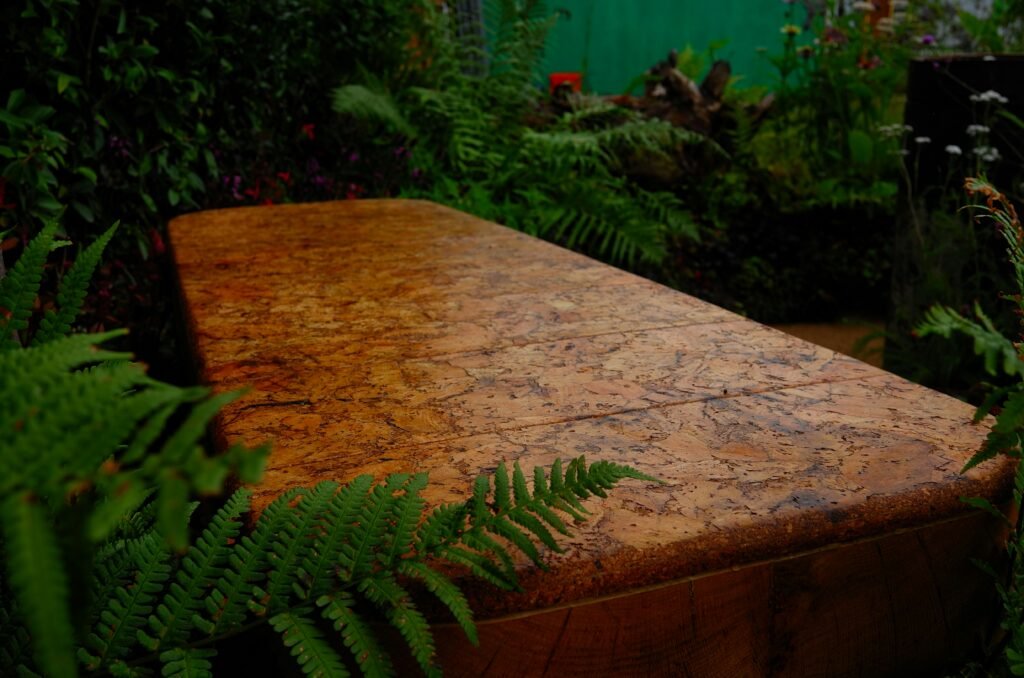
I still remember the night I glued my first diy table top. The pine scent mixed with coffee. Glue dripped like honey beads. My only clamps squeaked, yet hope buzzed louder. That surface fed family stories for years. Now your turn comes.
Quick Answers
- Cheapest material: Stain grade plywood wins on price and steadiness.
- Best wood: Pine for budget, oak or maple for strength, walnut for rich color.
- Possible materials: Edge glued boards, doubled plywood, reclaimed planks, live edge slabs, or patterned layups.
- Plywood top: Yes. Two layers glued face to face give a rigid base.
Plan Size and Style
Grab a tape. Measure the room. Leave space so hips feel safe.
- Dining for four
- Top: 48 30 to 60 36 inches
- Thickness: 1 to 1.5 inches
- Overhang: 1 to 2 inches
- Dining for six
- Top: 72 36 to 78 40 inches
- Thickness: 1.5 inches or more
- Coffee table
- Top: 24 48 inches
- Thickness: 1 inch
- Desk
- Top: 60 30 inches
- Thickness: 1 to 1.5 inches
- Round dining
- Four seats: 48 inch circle
- Six seats: 60 inch circle
Pick a vibe. Farmhouse loves wide boards and gentle curves. Modern likes thin edges and clean lines. Rustic keeps saw marks. Classic favors tidy grain and soft roundovers.
Pick Material and Set Budget
Three price lanes shine.
- Budget lane
- Construction pine or spruce
- Doubled plywood with edge tape
- Reclaimed lumber if free
- Middle lane
- Oak or maple boards
- Mixed hardwood strips for butcher block
- Local live edge if mills cut deals
- Premium lane
- Walnut or cherry planks
- Rift white oak for arrow straight grain
Store Check Tricks
Sight each board end. Bend to see crooks. Lay it flat. Rocking means warp. Skip knot clusters near ends.
Tight growth rings move less. Quarter sawn lines run straight. Use the best faces on spots hands touch.
Price Sketch for a 72 36 inch top
- Pine: 100 dollars
- Oak or maple: 275 dollars
- Walnut: 475 dollars
- Doubled plywood plus maple edge: 150 dollars
- Finish and screws: 60 dollars
Tools You Need
A lean kit still works.
- Circular saw with straight guide
- Random orbital sander
- Pipe or bar clamps
- Wood glue
- Tape and pencil
- Square
- Drill and bits
- Eye and ear gear
Nice extras help.
- Track saw for perfect cuts
- Biscuit joiner for quick lines
- Pocket hole jig for hidden joins
- Router for edges
- Hand plane for bumps
Method One: Solid Wood Plank Top
Step 1: Pick and Prep
Choose boards two inches longer than final size. Shuffle for a balanced look. Draw a big triangle across faces so order stays clear. Rip off factory round edges so joints kiss tight.
Step 2: Dry Clamp
Set clamps eight inches apart. Place one under, then one over. Alternate pressure holds flat. Dry run first. Check with a straight edge.
Step 3: Glue Up
Roll a slim coat on one edge each seam. Insert biscuits if used. Stand boards like books, then fold flat. Tighten clamps in steps from middle out. Tiny glue beads show a full joint. Scrape squeezed glue at ten minutes.
Step 4: Flatten and Square
Start sanding with sixty grit. Keep pad flat. Shift to one twenty, then one eighty, then two twenty. Trim ends square. Rip to width.
Step 5: Ease Edges
Run a small round bit on top and bottom. Hand sand to soften corners.
Step 6: Allow Movement
Wood swells across grain. Use figure eight fasteners or Z clips. Drill shallow recesses in apron rails. Screws then pivot with seasons.
Step 7: Finish
- Water based poly stays clear. Three thin coats win.
- Oil based poly warms tone. Two coats give depth.
- Hardwax oil feels silky. Wipe on three coats.
Let each coat cure before use.
Method Two: Double Layer Plywood
Step 1: Build Core
Buy two sheets of three quarter inch plywood. Cut both two inches oversize. Spread glue with roller. Stack, clamp, or weight heavy. After cure trim to final size.
Step 2: Edge Band
Rip hardwood strips. Glue one long side first. Use tape if clamps run short. Trim flush. Repeat for other edges. Round lightly.
Step 3: Mount and Finish
Drill pilot holes for figure eight plates. Prime if paint. Sand light. Apply two coats of enamel or three coats of clear poly.
Method Three: Pattern Top on Stable Core
Step 1: Deck
Cut plywood three inches smaller than final outside size to allow frame width. Glue deck flat.
Step 2: Pattern Pieces
Rip strips two inches wide. Crosscut eight inch blanks. For herringbone cut ends square. For chevron cut forty five degree angles.
Step 3: Lay Field
Snap deck center line. Dry lay two rows. Spread glue in small zones. Tap pieces tight.
Step 4: Clean Edge and Frame
Trim flush. Miter frame strips. Glue. Clamp square. Sand smooth. Stain or clear.
Attach Your Top
Wood moves. Give hardware room.
- Figure eight plates pivot in shallow recesses.
- Z clips slide in grooves cut inside rails.
- Slotted cleats let screws glide along grain.
- Steel C channel hides under wide tops to fight sag.
Never glue a solid top to a fixed base.
Finish Choices
- Clear natural: Water based poly keeps maple or birch bright.
- Warm glow: Oil based poly adds amber warmth on oak or walnut.
- Silky feel: Hardwax oil leaves a low sheen, easy repair.
- Painted top: Sand, prime, sand, then two enamel coats, add clear poly if heavy use.
- Stain tips: On pine use wood conditioner then gel stain.
Raise grain first if using water based. Wipe surface with damp cloth. Dry. Sand light.
Three Full Builds
Build A: Pine Plank Table for Six
- Target: 72 36 1.5 inches
- Boards: Six two by eight by eight feet pine
Steps
- Shuffle boards for flow.
- Rip edges square.
- Biscuit every twelve inches if wanted.
- Glue first half panel.
- Repeat for second half.
- Join halves.
- Sand flat.
- Square ends.
- Route small roundover.
- Drill recesses for figure eight plates.
- Apply three coats water based poly.
Build B: Desk Top from Doubled Plywood
- Size: 60 30 inches
- Two plywood pieces 62 32 inches
- Maple edge strips one inch tall
Steps
- Glue sandwich, clamp heavy.
- Trim to size.
- Glue long edges, then short.
- Ease edges.
- Sand to two twenty.
- Drill pilot holes.
- Prime once, enamel twice.
Build C: Herringbone Coffee Table
- Size: 24 48 inches
- Birch deck 21 45 inches
- Field strips two inches wide
Steps
- Glue deck flat.
- Mill strips.
- Snap center line.
- Glue pattern field.
- Trim field.
- Miter frame, glue.
- Sand, finish.
Tips That Save Hours
- Start with flat stock.
- Glue panels in halves.
- Use packing tape on cauls to stop glue stick.
- Scrape glue at ten minutes.
- Label faces and edges.
- Rest panel a night before final sand.
- Test finish on underside.
Fix Common Problems
- Cupping: Set panel on stickers so air hits both sides.
- Glue gap: Wick thin CA glue then sand.
- Blotch on pine: Sand back, use wood conditioner, then gel stain.
- Biscuit dip: Wait a week, then resand.
- Split top: Replace fixed screws with slots. Add bow tie inlay if you like style.
Design Ideas
- Modern maple thin edge with black steel legs.
- Farmhouse oak wide boards with warm oil.
- Rustic pine with saw marks and gray wash.
- Two tone desk, maple top and dark base.
- Round white washed pine top on pedestal.
- Parquet squares in mixed species for coffee table.
Brain Inspired Corner
Woodworkers talk craft yet tech also creeps in. Some pros joke about brain inspired hierarchical processing. Each layer of surface prep feeds the next. Grain flow moves to sanding, sanding moves to finish, finish leads to daily life. This steady hierarchical convergence makes the project feel clean. Your hands scan dry boards then glide on a cured coat. Each check offers an approximate gradient of progress. Sand marks fade. Sheen rises. That is deep supervision from eye and hand guiding every pass.
Detailed FAQ
- How thick should I make a diy table top
One inch looks sleek. One and a half inches feels classic. Two inches shouts bold.
- How do I cut a perfect circle
Use a simple router trammel. Screw one end to router base. Pivot on a nail at center. Take light passes.
- Should I flip growth rings up and down
Focus on straight grain faces. Use smart joinery and floating fasteners to handle movement.
- Do I need biscuits
They aid alignment. Strength comes from glue. Use them if you want speed.
- How many clamps
One clamp every ten inches across width works. Alternate top and bottom.
- Hide screw holes
Use figure eight plates so screws stay hidden under top. If you must screw through top, plug with matching dowels.
- Best finish for kitchen use
Satin water based poly resists rings. Oil based poly also works, adds color.
Week Plan
- Day one: Buy wood and rough cut.
- Day two: Rip edges and dry fit.
- Day three: Glue halves.
- Day four: Glue final panel.
- Day five: Sand and route edges.
- Day six: First coat.
- Day seven: Second coat and mount.
Wallet Savers
- Use short hardwood strips for butcher block style.
- Hunt local mills for offcuts.
- Reuse thrift bases.
- Plane by hand instead of renting drum sander.
Final Checks
Run your palm across the surface with eyes shut. Feel bumps. Sand if needed. Set straight edge. If rock shows, loosen fasteners and reset. Clean shop. Carry top inside. Fresh finish smells like victory.
You now own a solid skill and a fresh surface. Set a meal, write a plan, drop your keys. A diy table top holds more than stuff. It holds stories. Enjoy every scratch you add.
You built that.