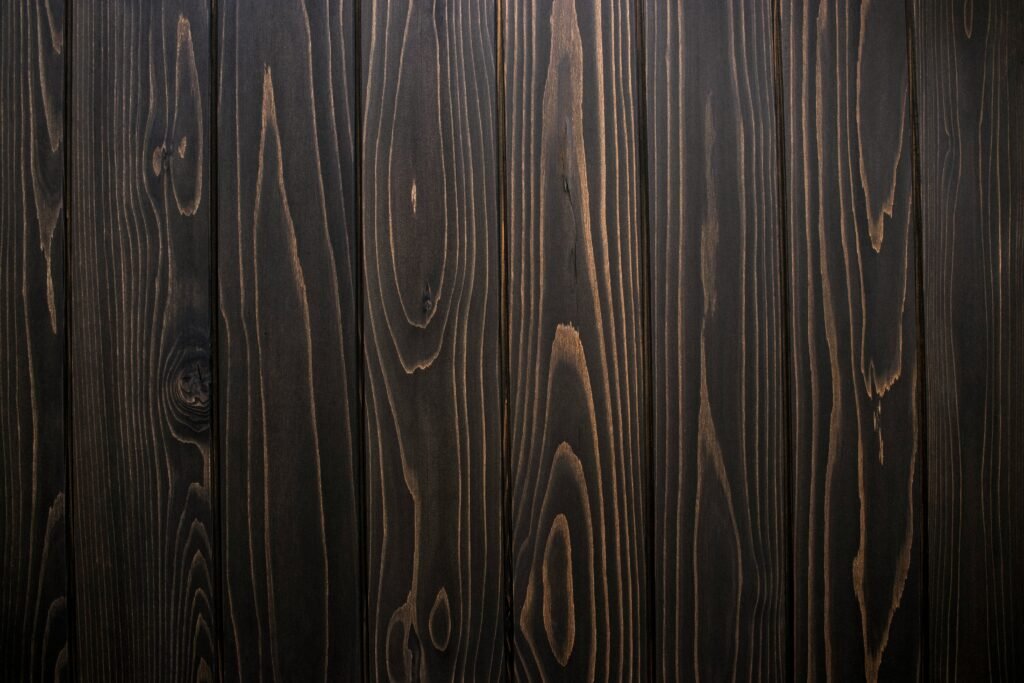
I remember the first time I watched oak turn from pale gold to ink black.
The jar of vinegar hissed and the smell felt sharp and bright.
The surface changed inside a minute and I grinned like a happy kid.
That small experiment taught me a big truth.
Great colour comes from simple care and steady rhythm.
You likely landed here because you typed how to ebonize wood into a search bar.
You want clear steps so your next table leg looks rich and dramatic.
You also want grain that still shines through the dark surface.
You are in the right place.
Below you will find one quick list for busy days and a full guide for weekend projects.
You will read science made easy and you will see tool checklists plus safety notes and real shop stories.
Each line aims to help you turn plain boards into pieces that look refined.
Quick Start List
- Sand the surface to two twenty grit and wipe with clean water to lift the fibres
- Wash grade four zero steel wool in lacquer thinner then let it dry
- Soak the pad in white vinegar inside a glass jar with a loose plastic lid
- Wait one to three days and strain the clear liquid through a coffee filter
- Brush strong black tea on maple or other pale woods to add tannin
- While the surface feels damp brush the iron liquid in long strokes
- Let the piece dry then buff light spots and give a second coat if needed
- Finish with oil shellac or water based varnish after one full day of cure
Keep that sequence on a note card if you like speed.
The next sections break each step down so you feel ready for any twist.
Why the Wood Turns Black
The secret sits in tannin which is a plant based acid.
Iron meets tannin and forms iron tannate which shows deep blue black.
Paint hides grain yet this reaction lives inside the fibres so texture stays proud.
The layer sits close to the surface so sanding later can cut into pale wood.
Plan your order so heavy sanding takes place before any colour hit.
Which Species Work Best
Oak loves this method because its open pores hold plenty of tannin.
Walnut follows close and brings a soft warm glow under the dark veil.
Cherry darkens well yet may ask for a small tea boost.
Maple needs extra tannin but repays you with a sleek modern face.
Pine accepts colour yet stops at smoky grey unless you feed it lots of tea.
Test scraps before you treat a full panel.
Sapwood stays lighter since it owns fewer tannins.
End grain drinks liquid fast so it can turn darker than faces.
Seal end grain with thin shellac if you want even tone.
Tool and Supply List
- White vinegar in a one gallon jug
- Steel wool grade four zero
- Lacquer thinner for a quick wash of the wool
- Glass jars with loose plastic lids
- Coffee filters or paint strainers
- Plastic or natural bristle brushes in medium stiffness
- Foam brush for flood coats on large panels
- Clean lint free rags
- Distilled water for grain raising
- Black tea bags or quebracho bark powder for tannin boost
- Iron sulfate crystals as an alternate iron source
- Sandpaper in one eighty two twenty and three twenty grit
- Nitrile gloves and eye shields
- A small fan for fresh air flow
- Plastic sheet for bench protection
Gather these items before you start so the flow never stalls.
Safety First
The mix of steel wool and vinegar makes hydrogen gas.
Hydrogen loves to burn so leave a vent hole in the jar lid.
Keep the jar far from flame or spark.
White vinegar vapour can sting eyes.
Work with air moving through the shop.
Lacquer thinner flashes fast so cap the can right after each rinse.
Wear gloves because both tea and iron solution stain skin.
Mixing the Iron Liquid
Clean steel wool means clear iron liquid.
Pull the pad apart so thinner can reach each strand.
Drop the wool in a small cup then cover with lacquer thinner.
Swish for a minute then move to a second fresh cup.
Repeat one more time.
Set the wool on paper for twenty minutes until it feels dry.
Place the pad in a jar.
Pour vinegar until the wool sits fully under the surface.
Cover with a loose lid so gas escapes.
Tiny bubbles rise right away.
Stir now and then with a plastic spoon to speed the break down.
The wool fades and the liquid turns pale straw.
After one to three days strain through coffee filter paper.
Store the clear liquid in a new jar that also vents.
Label with mix date so you track strength over time.
Check readiness with a test.
Drop a dab on scrap oak.
Colour should shift in a minute.
If the scrap stays light leave the jar to sit one more day.
That liquid will keep for months in a cool dark cabinet.
Stir before each use so any settled iron fines float again.
Feeding Extra Tannin
Low tannin woods need help to reach deep black.
Strong black tea works well and the flavour grade matters little.
Steep ten bags in two cups of hot water for a full day.
Squeeze the bags then bottle the tea in glass.
Keep it chilled for a week at most.
Quebracho bark powder makes even richer tea.
Mix one big spoon of powder with a pint of hot water.
Stir to smash clumps and let it sit ten minutes.
Strain twice so no grit stays.
This brew stains hands so gloves help.
Surface Preparation
Colour enters fibre spaces so a smooth yet open surface yields best results.
Sand faces through two twenty grit on close grain species.
Stop at one eighty on open pore oak so you avoid burnish.
Wipe with water to raise fibres then let dry.
Lightly sand the fuzz with three twenty grit.
Brush dust from pores.
Warm the board with gentle heat if the room feels cold.
Warm wood pulls liquid deeper which means darker tone.
Two Proven Workflows
Quick Water Pre Wet and Iron
Wet the board with clean water.
Add one drop of mild dish soap to eight ounces of iron liquid.
Soap cuts surface tension so liquid soaks faster.
Brush the iron liquid along the grain in smooth passes.
Watch colour rise right away.
Missed streaks show pale so catch them while surface stays damp.
Let the piece dry one hour.
Buff raised fibres with four hundred grit using feather light touch.
Touch pale spots with a small brush of iron liquid.
Wait a full day before finish.
Deep Three Step Bark Tea Iron Bark Tea
Brush bark tea and let it soak.
While the board still looks matte brush iron liquid.
Colour turns coal black within seconds.
Let the item dry two hours then buff with clean rag.
Rinse with fresh bark tea to knock chalk haze and deepen hue.
Dry overnight with gentle air flow.
Second iron coat rarely needed though you may add if one patch appears lighter.
Both paths give strong results though the three step plan wins on maple or pine.
Tips for Even Colour
- Use separate brushes for tea and iron to avoid early reaction in the cup
- Work from small cups so the main jar stays clean
- Keep a wet edge and brush back into wet area to level tone
- Lift drips before they set because dried drips look darker
- View the board under raking light so streaks jump out fast
- Add one tiny soap drop to both liquids when working on ring porous oak
- Back brush across the grain on oak so liquid reaches deep pores
Drying Time and Grain Lift
Iron liquid rides in water so fibre tips stand up.
Most fuzz lifts during the first water wipe yet some returns.
Wait until surface feels cool yet dry then buff with white pad.
Do not sand hard because colour layer sits thin.
Fans shorten dry time but room heat matters too.
Plan for at least twenty four hours before final finish.
Finish Options
Oil warms colour and builds gentle glow.
Pure tung oil cut with citrus solvent passes into pores with ease.
Apply thin coats and wipe excess then let cure two days between coats.
Water based varnish keeps tone cool and avoids amber.
It suits modern work where grey blue undertone looks good.
Shellac adds classic warmth and seals fast.
Use dewaxed cuts so later varnish bonds well.
Hard wax oil feels silky and simple.
Two light coats bring satin sheen with minimal fuss.
Always test finish on a scrap from the same board.
Working With Low Tannin Species
Maple poplar and basswood need extra steps.
Flood the face with strong tea twice allowing one hour dry time between coats.
Brush iron liquid while the board still feels slightly damp.
Dry then rinse with tea again.
Repeat the cycle until the sample matches your target shade.
Managing Contrast
End grain can turn darker since it drinks more liquid.
Seal that area with a thin shellac wash coat before colour to even tone.
Sapwood often stays lighter so brush tea only on that area first.
Blend across the face after the first pass so no hard line shows.
Predictable Problems and Fast Fixes
- Patchy look signals burnish or hidden oil so light scuff with two twenty grit then repeat tea and iron
- Grey haze means low tannin so rinse with bark tea then dry
- Green shift shows in some red oak so follow with one thin bark tea coat and an oil finish
- Navy tone appears while drying and fades after oil top coat
- Drips dry dark so level right away with damp tea cloth
- Cloudy liquid forms when steel wool still carries oil so wash the next pad longer
Alternate Black Methods
Iron sulfate crystals dissolve faster than steel wool vinegar mix.
Brush strong tea first then add the crystal solution.
Colour hits quick and dark.
Rinse with tea to clear chalk.
India ink offers a paint like fix for small touched areas.
It hides grain more yet saves time on tricky corners.
Old timers also fumed white oak with ammonia vapour for deep brown black.
That path needs sealed tents and strict safety gear so few shops use it today.
Charred wood named shou sugi ban still appears in modern accent walls.
The burn and brush routine creates rugged texture and rich black.
Each option has place though the iron and tannin dance gives the most natural look.
Step by Step Master Plan
- Mill parts and cut joinery
- Sand faces to target grit
- Wipe with water and let fibers stand then sand the fuzz
- Mix iron liquid and label the jar
- Brew tea if needed
- Lay plastic on bench and set parts on painter triangles
- Brush tea flood coat
- Brush iron liquid while surface still damp
- Dry with a fan for three hours
- Buff with clean rag then brush tea rinse
- Dry overnight
- Spot treat pale areas
- Wait one full day
- Finish with chosen clear coat
Real Shop Stories
Two summers ago I ebonized five ash chair frames for a friend.
Ash shows wide pores which turned black fast but the smooth bands lagged.
I added one soap drop to both liquids and brushed across the grain.
The tone evened out and the chairs now sit in a coffee shop by the river.
Sunlight hits them each morning and the finish still glows.
On maple drawer fronts I used the three step routine.
Two tea coats then iron then tea.
I let them dry forty eight hours then sprayed satin water based finish.
The drawers look like piano keys cut from night sky.
Finish Schedules That Work
Oak and walnut love pure tung oil.
Wipe one thin coat cut fifty percent with citrus solvent.
Wait two days then add two more thin coats with light buff in between.
Final wax makes the surface glide under your hand.
Maple pairs with shellac seal and water based varnish top.
Two light shellac cuts dry in an hour.
Scuff with white pad then add two coats of clear varnish.
Cherry warms under a single shellac coat plus two layers of wiping varnish.
The mix keeps grain alive while giving good wear resistance on tabletops.
Turned items like bowls or knobs can use India ink then quick shellac.
Fast shop tasks suit that path.
Frequent Questions
- What is the basic process behind ebonizing
Iron reacts with natural tannin to create iron tannate which appears black.
- Which vinegar works best
Most white vinegar brands work yet many makers pick Heinz because it filters clear and stays consistent.
- Can any board reach true black
Boards with high tannin reach black sooner and boards with low tannin reach dark grey but tea boost raises the ceiling.
- How deep does the colour enter
The layer sits one to two millimetres deep so heavy sanding after colour risks pale spots.
- How long can I store the iron liquid
Clear strained liquid keeps strength for months in a vented jar in a cool spot.
- Will the mix corrode hardware
Yes iron liquid rusts steel screws so mask metal parts before brushing.
- Does the wood need extra sealer
A clear coat always helps with wear and moisture resistance.
Design Ideas for Ebonized Pieces
- Dining table base under a pale maple plank top
- Coffee table legs that contrast with a marble slab
- Picture frames that make art pop on a white wall
- Floating shelves with brass brackets for a hint of luxe
- Modern lounge chair frames with woven cane seats
- Bed rails that meet brass pins for a refined detail
- Console table with ash legs and stone top
- Wall hooks that show black grain against light paint
- Mantel clock body with bright inlay that sings on black
Black pairs well with light surfaces and metal hardware so these ideas play with that contrast.
Care and Maintenance
Clean the finish with a soft dry cloth.
Use mild soap on sticky spots.
Avoid strong cleaner that can strip oil.
Touch small scuffs with fresh tea then iron then tea.
Buff and apply a small dab of oil if sheen looks dull after years.
Store iron liquid in glass away from direct sun.
Label jars so family members know it is a finish chemical.
Wipe spills at once so bench tops stay clean.
Photo Tips
Shoot a test board that shows bare wood tea iron and final finish in four bands.
Write mix dates on the back then snap a picture.
Keep those images in a folder so you repeat good results next season.
Quick Glossary
- Tannin natural acid in many plants that reacts with iron for dark colour
- Iron acetate liquid made from steel wool and vinegar that holds free iron ions
- Grain raising act of wetting sanded wood so fibres swell and can be trimmed for smooth feel
- Buffing light rub with pad or cloth that levels fuzz without cutting tone
- Vent hole tiny opening in jar lid that lets gas leave so glass never cracks
Last Word
You started this read with a single question about how to ebonize wood.
Now you hold every step from sanding to final wax.
This craft feels like gentle alchemy and each session teaches a fresh lesson.
Set up your bench clear add music and breathe in that vinegar tang.
Watch the magic rise from pale grain to midnight glow.
Send a photo when your piece stands finished because shared projects make the shop feel bigger.